Understanding Drug-Supplement Interactions
In the quest for “optimal health,” many people take both prescription medications and dietary supplements — a combination that may seem complementary but can introduce hidden risks. While supplement marketing often promotes “natural support,” “immune balance,” or “metabolic boost,” these claims are rarely supported by robust clinical evidence. When mixed with prescription therapies, even seemingly harmless supplements can alter how drugs are absorbed, metabolized, or eliminated, sometimes with dangerous consequences.
At Evidence Education Wellness, we emphasize informed decisions — not fear, but facts. As pharmacists know well, “natural” doesn’t always mean “safe,” especially when it interacts with something powerful enough to require a prescription.
Why Drug–Supplement Interactions Happen
Drug–supplement interactions occur because both substances influence the body’s complex chemistry. They can be broadly classified as:
- Pharmacokinetic interactions: how the body processes drugs — absorption, metabolism, and excretion.
- Pharmacodynamic interactions: how the supplement alters the drug’s intended effects.
Let’s break these down in a way that highlights where caution — and professional guidance — matter most.
Pharmacokinetic Interactions: When Supplements Alter Drug Processing
Absorption Interference: The First Gatekeeper
Some supplements bind to medications in the gut, reducing how much of the drug enters the bloodstream.
- Calcium or Iron with Thyroid Medications: These minerals can bind to levothyroxine (Synthroid®), lowering absorption and leaving hypothyroidism undertreated. Space doses by at least 4 hours.
- Minerals with Antibiotics: Calcium, magnesium, and iron can inactivate antibiotics like tetracyclines and fluoroquinolones. Always separate doses by at least 2–4 hours.
- High-Fiber or Laxative Herbs: Psyllium or senna can speed intestinal transit, reducing absorption of digoxin, antidepressants, or carbamazepine.
Even something as simple as calcium carbonate antacids can alter stomach acidity and affect drug solubility — a reminder that timing truly matters.
Metabolic Interference: The Liver’s Critical Role
Most drugs are metabolized by cytochrome P450 (CYP450) enzymes in the liver. Supplements can induce or inhibit these enzymes, changing how long drugs stay active.
- St. John’s Wort (marketed with “mood support” claims) induces several CYP enzymes, reducing the effectiveness of:
- Oral contraceptives (risk of pregnancy)
- Warfarin (risk of clotting)
- Antidepressants, HIV medications, and transplant drugs
- Berberine (sold as a “metabolic booster” or “blood sugar support”) inhibits multiple CYP enzymes, potentially increasing drug levels of statins, diabetes drugs, or blood pressure medications — raising the risk of toxicity.
- Grapefruit juice, though a food, remains the classic example of CYP3A4 inhibition, dangerously increasing levels of drugs like simvastatin, felodipine, and buspirone.
Excretion Interference: When the Kidneys Can’t Keep Up
Supplements can also impact drug removal.
For example, taking potassium supplements alongside potassium-sparing diuretics (spironolactone, triamterene) can cause dangerously high potassium levels — a silent but potentially fatal risk.
Pharmacodynamic Interactions: When Effects Are Amplified or Opposed
Additive or Synergistic Effects
Some supplements enhance the effects of medications — often too much.
- Garlic, Ginkgo, Ginger, and High-Dose Omega-3s: Each has mild blood-thinning effects. Combined with warfarin or aspirin, they can trigger bleeding.
- Berberine and Diabetes Medications: May cause dangerously low blood sugar.
- 5-HTP or Tryptophan with SSRIs: Can provoke serotonin syndrome, a medical emergency.
Antagonistic Effects
Other supplements oppose drug actions.
The most famous: Vitamin K counteracts warfarin, increasing clotting risk. Patients on anticoagulants should keep Vitamin K intake consistent and discuss any supplement changes with their pharmacist.
Why Your Pharmacist and Physician Are Your Safest Guides
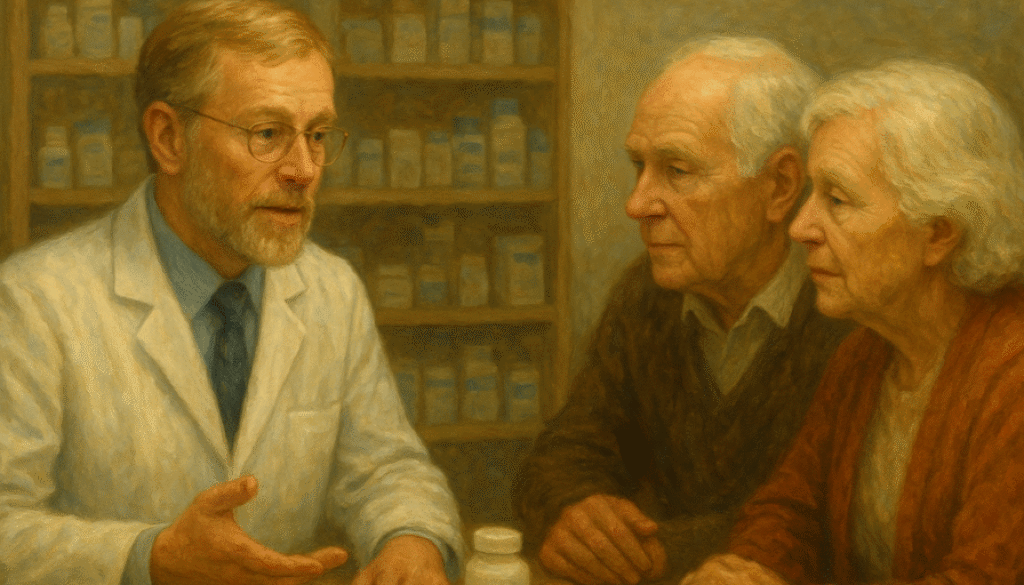
Pharmacists: The Front-Line Experts
Pharmacists are trained to identify these interactions before they cause harm. They can:
- Review your medications and supplements for conflicts
- Recommend safe timing or alternatives
- Explain early warning signs of interactions
Before starting any supplement, even one marketed as “natural,” consult your pharmacist — it’s their professional responsibility to keep you safe.
Physicians: The Comprehensive Health Strategists
Physicians integrate your full medical history, lab data, and treatment goals. They determine whether a supplement is even necessary, adjust medication doses when appropriate, and track for lab or clinical changes that signal an interaction.
Practical Safety Steps
- Be Transparent: Share every medication and supplement you take — including protein powders, herbs, and teas.
- Don’t Self-Prescribe: Natural does not mean harmless.
- Don’t Stop Medications Without Guidance: Abrupt discontinuation can cause relapse or withdrawal.
- Question Claims: “Clinically proven” or “doctor recommended” often mask unverified structure-function claims allowed under DSHEA — not FDA-approved evidence.
- Choose Tested Products: Look for USP, NSF, or ConsumerLab verification.
- Watch Timing: Separate doses of minerals, fibers, or antacids from medications by several hours.
- Report Changes: If your medication stops working or new symptoms emerge, contact your pharmacist or physician.
Conclusion: Choose Awareness Over Assumption
The world of supplements is vast — and, at times, treacherous. Marketing phrases like “natural synergy”, “immune defense”, or “mood balance” may sound harmless, but these claims can disguise complex interactions that alter drug metabolism or amplify risk.
True wellness requires informed vigilance, not blind trust.
At Evidence Education Wellness, we advocate for science-based supplement use — always in partnership with your healthcare team. Before adding any new product, pause and ask:
Could this interact with my medications?
Your pharmacist can answer that question — and in many cases, prevent harm before it happens.