Turmeric & Curcumin: Separating Health Claims from Scientific Evidence
Turmeric, long celebrated in traditional medicine, has become a popular supplement, often promoted with claims such as “natural anti-inflammatory” or “joint pain relief.” While these marketing statements are widespread, it’s important to distinguish between regulatory claims allowed under DSHEA and scientifically validated effects. As a pharmacist, I approach turmeric supplementation with both caution and clarity, focusing on evidence-based guidance.
Understanding Turmeric and Curcumin
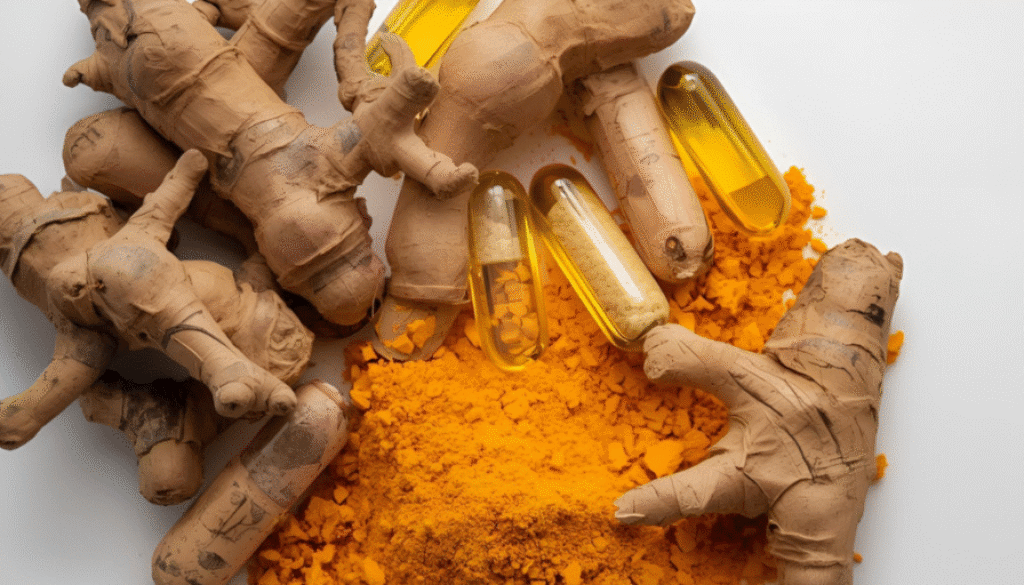
Turmeric (Curcuma longa) is a yellow-orange spice, with curcumin being the main bioactive compound. It’s commonly marketed for reducing inflammation, supporting joint health, and providing antioxidant benefits. These claims, while attractive, are structure-function statements that do not require clinical evidence to be made.
Evidence-Based Health Applications
- Inflammatory Support: Curcumin can modulate inflammatory pathways, particularly the NF-kB pathway, which regulates inflammation. Clinical studies suggest some benefit in conditions like osteoarthritis, but effects are modest and highly dependent on dosage and formulation.
- Joint Comfort: Some research supports reduced joint discomfort with curcumin supplementation, though it is generally less potent than prescription anti-inflammatories.
- Antioxidant Effects: Curcumin has antioxidant properties, neutralizing free radicals in laboratory settings. Human studies indicate potential cellular protection, though translating this into clinically meaningful outcomes is ongoing.
- Digestive and Cognitive Health: Early studies suggest possible benefits for certain digestive issues and neuroprotection, but these applications remain experimental.
Optimizing Absorption
Curcumin is poorly absorbed on its own. Effective supplementation often requires formulations designed to enhance bioavailability:
- Curcumin with Piperine: Black pepper extract can increase absorption by slowing metabolism.
- Liposomal Curcumin: Encapsulation in lipids improves cellular uptake.
- Phytosome or Micellar Formulations: Other enhanced delivery systems increase solubility and bioavailability.
Dosage Considerations
Typical therapeutic doses range from 500 mg to 1,500 mg of curcuminoids per day, often divided into multiple doses. Look for products specifying the curcuminoid content and bioavailability-enhancing formulation.
Safety and Potential Interactions
Curcumin is generally well tolerated. However, mild gastrointestinal upset, nausea, or diarrhea may occur, especially at higher doses. It may also have mild blood-thinning effects, so caution is advised for those on anticoagulants. Individuals with gallbladder disease should consult a healthcare provider before use. Interactions with certain medications, including antacids or proton pump inhibitors, may affect absorption or efficacy.
Key Takeaways
- Turmeric and curcumin offer some evidence-based benefits, particularly for joint comfort and inflammatory support.
- Many marketing claims exaggerate effects beyond what clinical studies show.
- Bioavailability is the key challenge; choose enhanced formulations.
- Consult a healthcare professional for personalized guidance, especially if on medications or with underlying conditions.
By understanding turmeric through both scientific evidence and marketing claims, you can make informed decisions that support your wellness journey. At Evidence Education Wellness, we prioritize evidence-backed guidance to help you navigate the supplement aisle safely and effectively.