Creatine: Evidence-Based Insights for Muscle, Brain, and Overall Wellness
Creatine, a naturally occurring compound synthesized in the body and obtained through diet, is among the most researched dietary supplements in history. Recognized primarily for its role in muscle energy metabolism, creatine has become synonymous with strength, power, and exercise performance. Beyond these athletic applications, research increasingly suggests benefits for cognitive function, neuroprotection, and overall health.
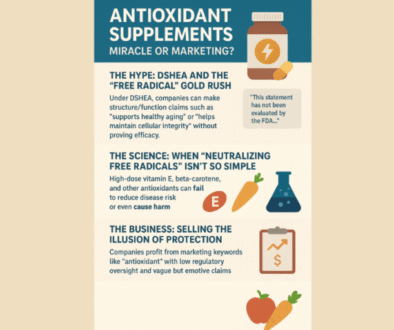
As a pharmacist, I approach creatine supplementation with caution and clarity. While structure-function claims such as “supports muscle strength” or “enhances brain function” are allowed under DSHEA, understanding the scientific evidence behind these claims is critical for making informed decisions. This guide aims to provide a thorough, evidence-based overview suitable for the educated consumer seeking clarity on creatine supplementation.
Understanding Creatine
Creatine is a nitrogen-containing compound found primarily in skeletal muscle, but also present in the brain, heart, and other tissues. Endogenously synthesized from amino acids glycine, arginine, and methionine, creatine can also be consumed via dietary sources such as red meat and fish.
Once inside muscle cells, creatine is phosphorylated to phosphocreatine (PCr), forming a rapidly available energy reserve. During high-intensity, short-duration activities, phosphocreatine donates a phosphate group to ADP, regenerating ATP (adenosine triphosphate), the body’s primary energy molecule. This rapid ATP resynthesis is critical for explosive movements such as sprinting, jumping, or lifting.
Structure-Function Claims vs. Evidence
Supplement labels often state that creatine “supports muscle strength,” “enhances performance,” or “boosts energy.” These are structure-function claims, permitted under DSHEA, meaning they describe biological activity but do not require FDA approval or proof of therapeutic efficacy. While creatine’s mechanistic role in energy metabolism is well-documented, translating these claims into clinically meaningful outcomes depends on factors such as baseline muscle creatine stores, diet, training status, and dosing strategy.
Athletic Performance and Muscle Health
Strength and Power
Creatine supplementation is most effective for high-intensity, short-duration exercise. Numerous meta-analyses show increases in one-repetition maximum (1RM) strength, peak power output, and muscular endurance when creatine is used alongside resistance training. The primary mechanism is increased phosphocreatine availability, allowing repeated bouts of explosive activity.
Typical improvements in maximal strength range from 5–15%, depending on training level and baseline creatine stores. Novice trainees may experience slightly larger relative gains due to lower baseline stores, whereas trained athletes see incremental improvements.
Lean Muscle Mass
Creatine supplementation promotes modest increases in lean body mass, often 1–2 kg over several weeks. Early gains are partly due to cellular water retention, while longer-term gains may result from enhanced muscle protein synthesis and satellite cell activation. Importantly, lean mass gains are maximized when supplementation is combined with resistance training.
Recovery and Performance Consistency
Beyond strength and hypertrophy, creatine may aid in post-exercise recovery. Research indicates reduced markers of muscle damage, faster restoration of strength, and improved performance during repeated training sessions. While these effects are less dramatic than the direct gains in power output, they support training consistency and progression, which are critical for long-term performance.
Endurance Exercise
Creatine’s impact on pure endurance performance is limited. VO₂ max or prolonged aerobic activity is not significantly improved. However, sports involving repeated high-intensity efforts—soccer, basketball, interval training—can benefit from creatine due to enhanced short-burst energy availability and delayed fatigue.
Cognitive Function and Neuroprotection
Creatine is present in the brain, where it supports ATP-demanding processes including neurotransmission, neuroplasticity, and cellular repair. Evidence suggests potential benefits for cognition, mood, and neurological health.
Cognitive Performance
Studies show creatine may improve short-term memory, reasoning, and processing speed, particularly under conditions of stress, fatigue, or sleep deprivation. Notably, vegetarians—who have lower dietary creatine intake—appear to benefit most. For these populations, supplementation may normalize cerebral creatine levels and improve mental performance.
Neurodegenerative and Neurological Conditions
Preclinical and early clinical research suggests creatine may offer neuroprotective effects in conditions such as Parkinson’s disease, Huntington’s disease, and mild traumatic brain injury. Proposed mechanisms include:
- Enhanced mitochondrial energy metabolism
- Buffering of cerebral energy deficits
- Reduction of oxidative stress and neuroinflammation
While promising, these applications remain experimental and are not FDA-approved indications. More robust, long-term clinical trials are needed before creatine can be recommended as a therapeutic intervention for neurological disease.
Dosing and Forms
Common Forms
- Creatine Monohydrate: Most studied and cost-effective, consistently demonstrates efficacy.
- Buffered Creatine, Creatine Hydrochloride, Creatine Ethyl Ester: Marketed for enhanced absorption or reduced gastrointestinal effects; clinical superiority over monohydrate is not consistently demonstrated.
- Micronized Creatine: Smaller particle size, may improve solubility but not absorption.
Loading vs. Maintenance
- Loading Phase (Optional): 20 grams/day, split into 4 doses, for 5–7 days to rapidly saturate muscle stores.
- Maintenance Phase: 3–5 grams/day to maintain saturation.
- Alternative Strategy: 3–5 grams/day without loading achieves muscle saturation within 3–4 weeks.
Timing
While some protocols suggest pre- or post-workout dosing, research indicates total daily intake matters more than timing. Consistency over time is the key factor for effectiveness.
Population-Specific Considerations
Vegetarians and Vegans
Vegetarians have lower baseline muscle and brain creatine stores due to minimal dietary intake. Supplementation can produce larger relative gains in both strength and cognition compared to omnivores.
Older Adults
Sarcopenia, or age-related muscle loss, may be mitigated by creatine, particularly when combined with resistance training. Studies in older adults demonstrate improvements in muscle mass, strength, and functional performance, though gains are generally smaller than in younger adults.
Clinical Populations
Creatine is being studied as a complementary strategy in neurological disorders, muscular dystrophies, and rehabilitation settings. While early data are promising, supplementation should be supervised by healthcare professionals in these contexts.
Safety and Interactions
Creatine is generally safe for healthy adults. Common, mild side effects include:
- Gastrointestinal discomfort (mitigated by splitting doses or taking with meals)
- Weight gain due to water retention
- Rare reports of muscle cramping or bloating
Misconceptions
- Creatine does not impair kidney or liver function in healthy individuals at recommended doses.
- Long-term studies (up to 5 years) indicate sustained safety in properly dosed adults.
Special Considerations
- Individuals with pre-existing kidney disease should avoid supplementation or consult a healthcare provider.
- Creatine is not known to have major drug interactions, but caution is advised with nephrotoxic medications.
- Adequate hydration is recommended to account for increased intracellular water retention.
Key Takeaways
- Creatine is one of the most researched supplements, with strong evidence supporting high-intensity exercise, muscle strength, and lean mass.
- Emerging evidence suggests cognitive benefits, particularly under stress or in low-dietary-creatine populations.
- Structure-function claims allowed under DSHEA do not guarantee universal benefits; effects are individual-dependent.
- Creatine supplementation is safe for most healthy adults, with minimal side effects.
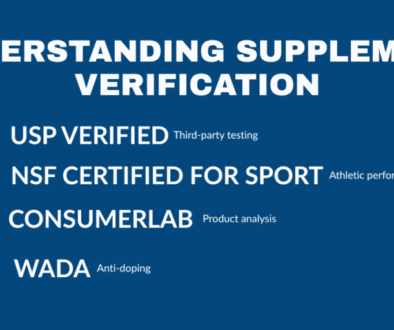
- Choose reputable brands, ideally third-party tested for purity, and consult a healthcare professional if you have chronic conditions or are taking medications.
By combining scientific evidence with clinical insight, consumers can make informed decisions about creatine supplementation to support both physical and cognitive wellness. Evidence Education Wellness is dedicated to guiding individuals through the supplement aisle safely and effectively, separating marketing hype from biologically and clinically meaningful outcomes.
To ensure you are meeting all your changing nutritional demands, especially as you age, read The Evolving Blueprint: Age-Specific Supplement Needs.